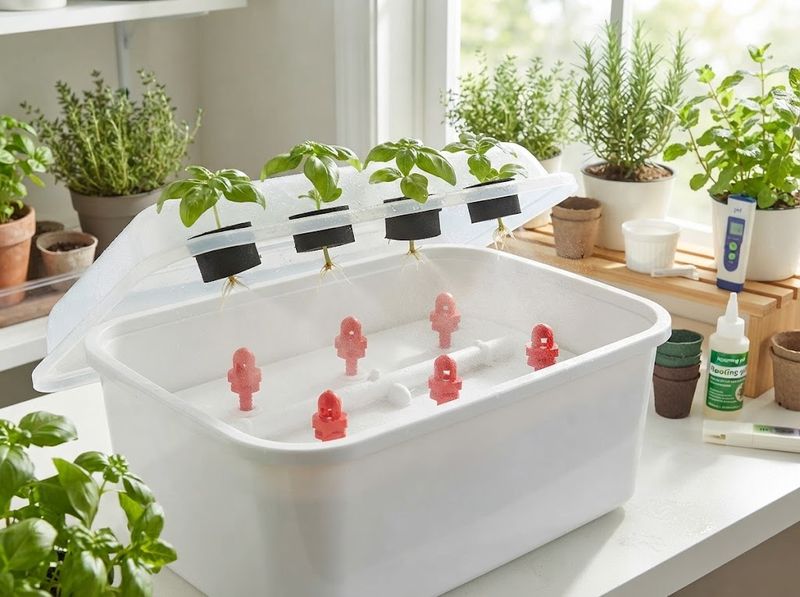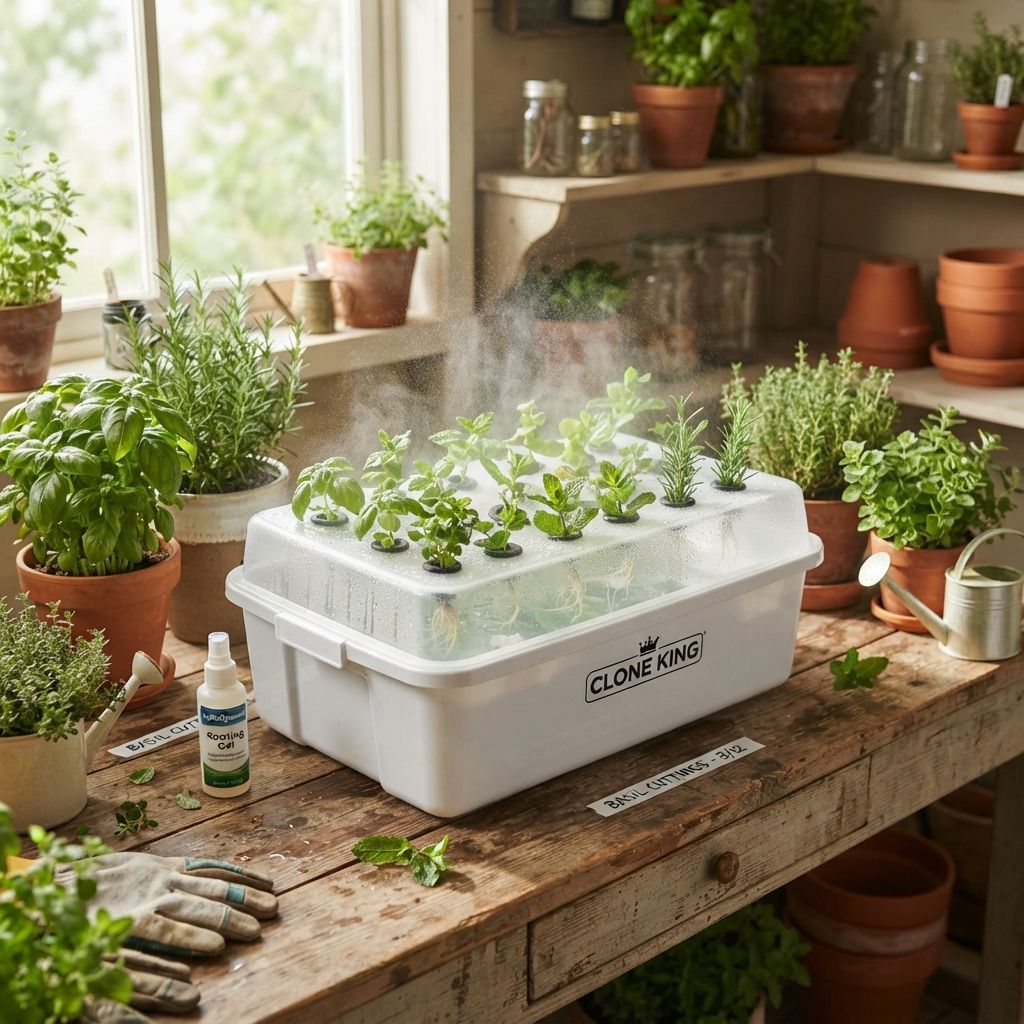
Clone King Aeroponic Cloning Machine

Clone King suspends cuttings in open air and mists the bare stems: root bumps in 3-5 days, rated 4.5★ by 2,821 verified buyers.

What you can count on

  • Root bumps in 3-5 days
  • Transplant-ready by day 10-14
  • 30-day return window, every order
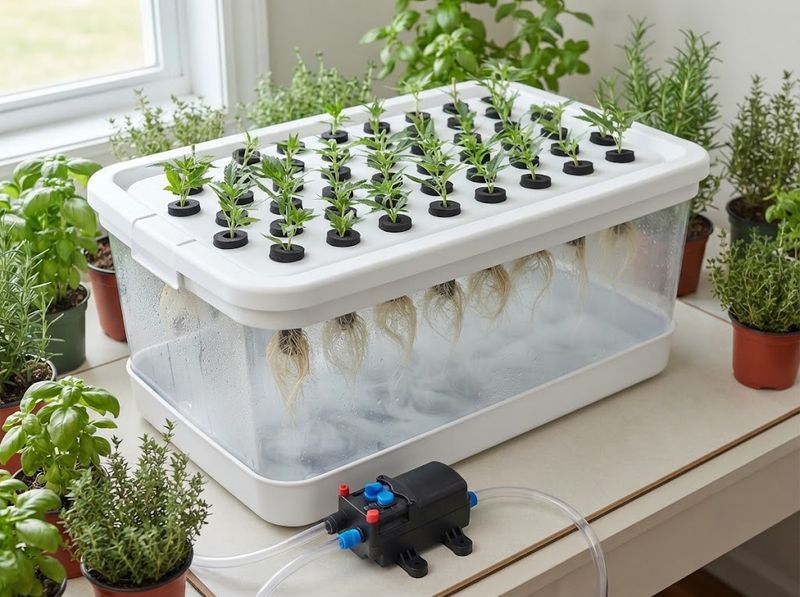
Cuttings rooting in a Clone King aeroponic cloning machine on a propagation bench

What the Misting Method Actually Changes

Clone King's mist does what a soil tray can't: 317 GPH of continuous spray across bare stems, no gel, no dome.

  1. 01

    Root Bumps You Can See at Day Three

    Pull a tomato cutting at 72 hours: white bumps sit at the stem base, before the first water change.

  2. 02

    1,864 Buyers Logged the Best-Seller at 4.5★

    Scroll the tiers before you commit: the 36-site best-seller carries 1,864 verified reviews from growers running a full herb bench, while the flagship logs 206 from the ones who outgrew an entry tub in a season.

  3. 03

    Swap a Clogged Mister in Under a Minute

    Press a fresh head from the 15-pack into a clogged port and the 280-degree cone is back before the cycle finishes, on whichever site count you own.

  4. 04

    No Dome to Lift, No Tray Going Moldy

    Humidity domes sweat and wilt cuttings, and by week two grey fuzz spreads across the tray; bare stems in moving air never get there.

  5. 05

    Sixty Hours of Mist Between Friday and Monday

    Friday evening to Monday morning, the pump runs 60 hours straight and the first white tips break the stem base.

  6. 06

    Send the Wrong Size Back Inside 30 Days

    Ordered 25 sites and filled them in one afternoon? The retailer's 30-day return window still leaves you room to step up a tier.

Cloning machines, misters and net pots

Site counts from 25 to 64, plus the misters and net pots that keep a running machine fed.

36 Site Aeroponic Cloning Machine

36 Site Aeroponic Cloning Machine

★ 4.5 (1864 reviews)

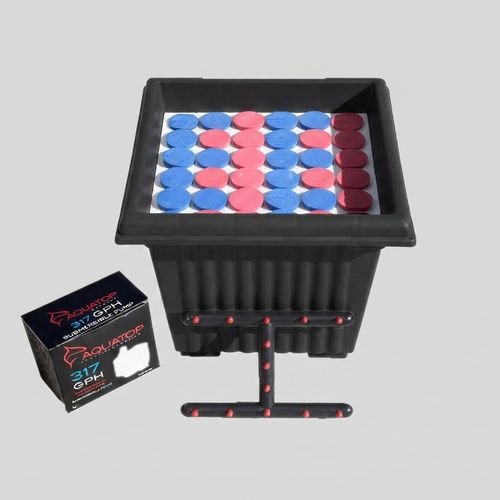
Thirty-six sites fill in one Saturday session and the tub still fits a closet shelf at 5 pounds empty. A 317 GPH submersible pump pushes water through thirteen spray heads continuously, so stems never dry between cycles the way they do under a lifted humidity dome. Where DWC buckets sit the cut end in standing water, the mist leaves air at the stem all night, and root bumps show in 3-5 days on most soft-stem varieties. This is the tier 1,864 verified buyers rated 4.5 stars, and a 30-day retailer return window covers a size swap if thirty-six proves too many.

  • Thirty-six collars seated in one session, misted at 317 GPH through the night
  • Continuous spray keeps the stem base wet and oxygenated, so callus turns to root instead of stalling
  • 4.5 stars across 1,864 verified buyer reviews, the deepest record on any tier
Check today's price
64 Site Aeroponic Cloning Machine

64 Site Aeroponic Cloning Machine

★ 4.3 (206 reviews)

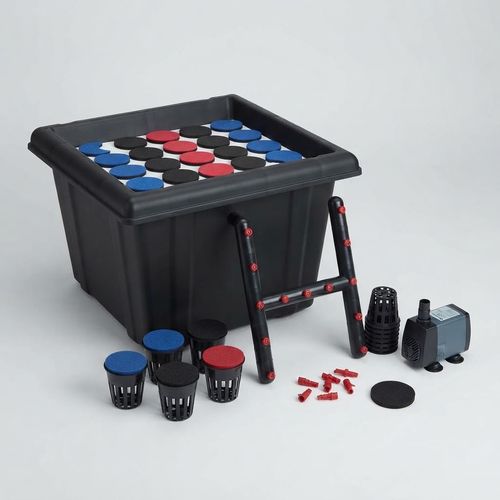
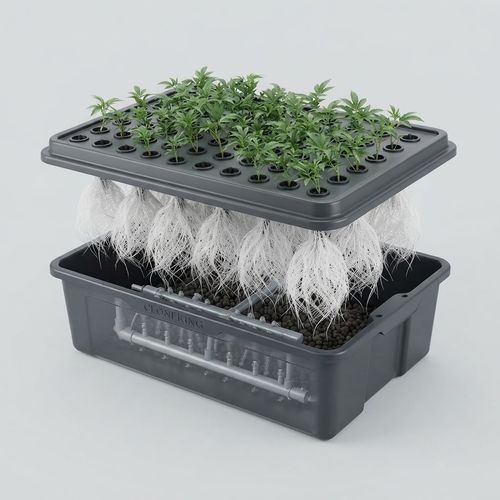
Sixty-four sites and a 496 GPH pump turn a spare-room bench into a batch operation without changing the method. Twenty-five spray heads cover an 18 x 16 x 18 reservoir, and the tri-color neoprene collars let you track which stems went in Tuesday against which went in Friday. Where a fixed-size premium cloner locks you into one footprint, the 1.69-inch collar opening here takes anything from mint to pencil-thick tomato stock. Flagship tier at 14 pounds empty, rated 4.3 stars by 206 verified buyers, with a 30-day retailer return window if the footprint does not fit the room.

  • Twenty-five spray heads at 496 GPH drench sixty-four stem bases every cycle
  • The split neoprene collar grips stems against the lid without pinching bark or leaking spray
  • Color-coded inserts separate batches by day, which single-color trays cannot do
Check today's price
25 Site Aeroponic Cloning Machine

25 Site Aeroponic Cloning Machine

★ 4.4 (683 reviews)

Seat twenty-five mint cuttings before dinner and the 317 GPH pump has them misted all night, with no gel jar opened and no dome to lift. Thirteen spray heads feed the manifold, so the stem at the far corner gets the same drench as the one over the intake. Where a soil tray hides rot until a cutting collapses, an open stem base shows trouble the day it starts, and the tub weighs 5 pounds empty for a shelf move. Entry tier, 683 verified buyers, 4.4 stars, and a 30-day return window through the retailer if the site count turns out wrong.

  • Thirteen spray heads soak twenty-five stem bases at 317 GPH, corner to corner
  • Open-air suspension keeps oxygen at the cut, which is what triggers root initiation without gel
  • 4.4 stars across 683 verified buyer reviews
Check today's price
36 Site Aeroponic Cloning Machine, 2-Pack

36 Site Aeroponic Cloning Machine, 2-Pack

★ 5 (4 reviews)

Two 36-site machines running side by side stage a batch a week without waiting on a single tub to clear. Each unit ships complete: reservoir, lid, manifold, thirteen spray heads, 317 GPH pump, and collars, so the second goes live the same afternoon the first fills. Where staggering cuttings through one machine means transplanting on the machine's schedule, a pair lets you cut when the mother plant is ready. Both carry the design buyers rated 4.5 stars across 2,821 verified reviews brand-wide, and the 30-day retailer return window applies to the pair.

  • Seventy-two sites across two tubs, staged a week apart on one bench
  • Each tub runs its own 317 GPH pump, so one clogged head never stalls both batches
  • 30-day retailer return window covers the pair, not one unit
Check today's price
Replacement Mister Spray Heads, 15 Pack

Replacement Mister Spray Heads, 15 Pack

★ 4.4 (54 reviews)

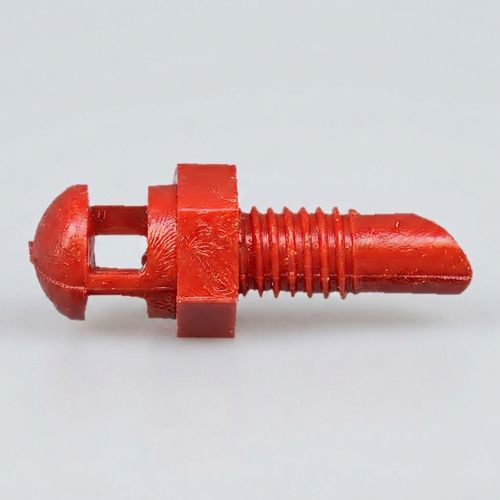
Mineral scale narrows one spray head somewhere around the first year and half the tray starts running dry mid-cycle. Press a fresh head into the manifold and the 280-degree cone comes back in under a minute, with no tools and no draining the reservoir. Where a proprietary part means matching a model number and waiting on a special order, these fit any Clone King cloner, from the entry tub to the flagship. Fifteen to a pack at 4.4 stars across 54 verified buyers, with a 30-day retailer return window if the fitment is wrong.

  • 280-degree cone restored in under a minute, no tools and no draining
  • Cross-model fitment means one pack covers every site count you run
  • 30-day retailer return window if the fitment is wrong
Check today's price
3 Inch Slit Mesh Net Pot, 500 Count

3 Inch Slit Mesh Net Pot, 500 Count

★ 5 (3 reviews)

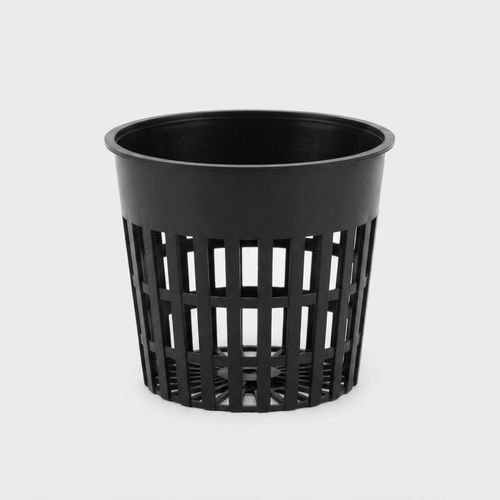
Rooted cuttings come out of the collar with a fragile white mass that resents handling, and a slit pot takes them without a repot two weeks later. Each pot runs 3.25 inches across the rim, 2.25 inches at the base, and 2.75 inches tall, dropping into a standard drilled hole flush with the deck. Slit walls let air reach the root ball from every side, which is what keeps outer roots from circling the way solid nursery pots force them to. A 500-count case covers a full season of batches, and the 30-day retailer return window applies if the hole size does not match your deck.

  • 3.25-inch rim drops flush into a drilled deck hole, 500 to a case
  • Slit walls feed air to the root ball from every side, so outer roots stop circling
  • 30-day retailer return window if the hole size does not match your deck
Check today's price
12 x 16 White Poly Mailers, 1000 Count

12 x 16 White Poly Mailers, 1000 Count

★ 5 (7 reviews)

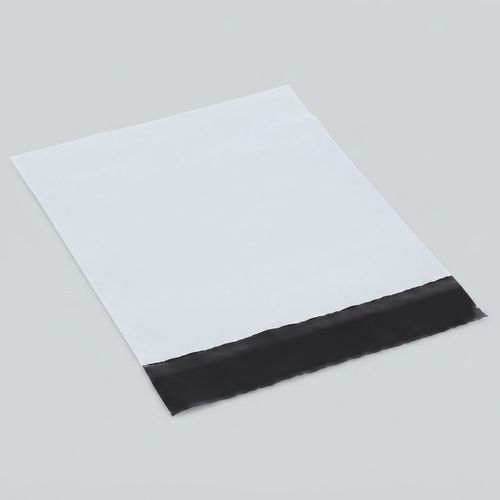
Batches of rooted cuttings leave the bench in boxes, and a self-sealing poly mailer beats taping a carton shut every time. Each bag runs 12 by 16 inches, wide enough to take a folded net-pot tray or a stack of collar inserts without splitting a corner. Peel the strip, press the flap, and the seal holds through a courier sort. A 1000-count case covers a full season of shipping, and the 30-day return window through the retailer applies if the size runs short.

  • 12 by 16 inches takes a folded tray or a stack of inserts without splitting
  • Self-sealing strip closes in one press, with no tape gun on the bench
  • 30-day return window through the retailer if the size runs short
Check today's price

The Situations the Machine Was Built Around

The moments a grower reaches for a Clone King cloner, and the part of the design that answers each.

Close-up of a rose cutting seated in a black neoprene collar on a white clonin

Load a Rose Cutting Without Guessing the Angle

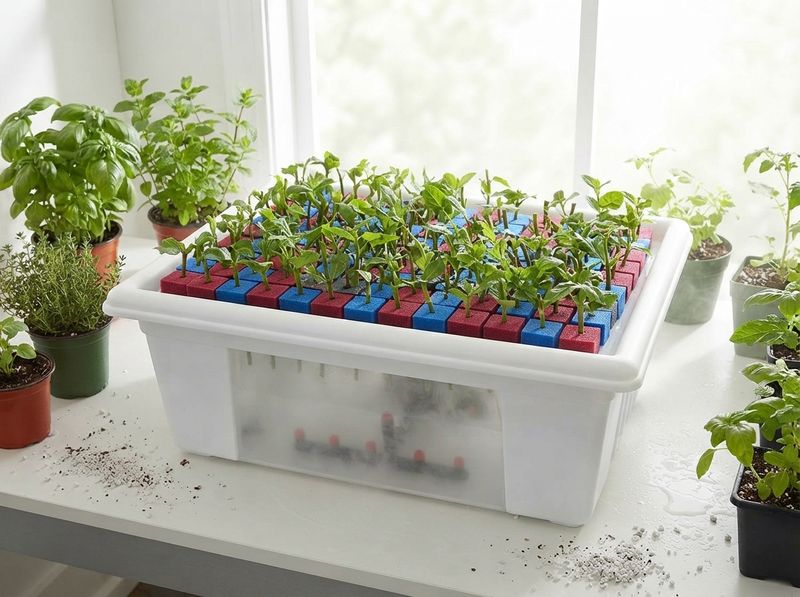
The 1.69-inch neoprene collar on the 64-site machine grips a rose stem snug against the lid without pinching bark. Slide the cut end through until it hangs an inch below, and the collar holds the angle you chose. Nothing tips when you close the lid over twenty-five spray heads.

  • Push a pencil-thick tomato stem into a black collar at breakfast and it still sits square at bedtime.
  • Color-coded inserts on the flagship let you track which batch went in Tuesday against which went in Friday.
  • Where a foam plug crushes soft tissue, split neoprene flexes and releases the stem clean at transplant.
See the 64-site machine
Interior view of a cloning machine reservoir with a spray manifold throwing fi

Keep Every Stem Base Wet Through a 3 a.m. Cycle

Thirteen spray heads run off a 317 GPH submersible pump on the 36-site machine, so the far corner of the manifold gets the same drench as the head nearest the intake. Leave it running around the clock. You wake to stems that never dried between cycles, which is exactly where soil trays lose cuttings.

  • Run the pump 24 hours a day for a week and no stem base goes dry between passes.
  • Each spray cone opens to 280 degrees, so one head wets stems on both sides of the manifold arm.
  • Where a bubble bucket drowns the cut end in standing water, the mist leaves air at the stem all night.
See the 36-site machine
Mint cuttings suspended in a compact white cloning machine on a kitchen window

Start a Windowsill Mint Batch With Plain Tap Water

Clone King suspends each cutting in open air above a sealed reservoir, so the stem base meets mist and oxygen instead of wet soil. Fill the 25-site tub with plain water, no rooting gel and no nutrient mix. Soft-stem herbs like mint and basil root on that alone, and the empty tub weighs 5 pounds for a shelf move.

  • Snip four mint stems after dinner and seat them in plain water, with no gel jar to open.
  • The sealed lid blocks light off the reservoir, which is what keeps algae down between water changes.
  • Where a soil plug hides rot until the cutting collapses, an open stem base shows trouble the day it starts.
See the 25-site machine
Aquarium thermometer clipped inside a cloning machine reservoir reading 66 deg

Hold 66°F and Watch the Rot Problem Disappear

Long-term owners settle on a 66°F reservoir rather than drifting toward the top of the usual 65-72°F range, because warm water sheds dissolved oxygen and bacteria move into the cut. Drop a cheap aquarium thermometer in the tub on day one. Add hydrogen peroxide twice a week, and stem rot stops being the thing that ends a batch.

  • Read the tub temperature at 4 p.m., the warmest point of a room day, rather than first thing in the morning.
  • The pump itself adds a degree or two over a full week of running, which pushes a 68°F room past the line.
  • Root bumps appear in 3-5 days at 66°F; the same cuttings stall past a week when the water sits near 75°F.
See the mister 15-pack

Does a 25-site tub really fill in one afternoon?

Growers who ran a batch through, wrote it up, and told the rest of us what they would do differently.

  • I priced a DIY build first: tote, pump, manifold, dome, overflow tray and a hundred rooter plugs. The parts came to more than the finished tub, and I still would have had to drill it. Plain tap water, no gel. First run was tomato and basil, and twenty-nine stems out of thirty-six struck roots by day twelve. The two that failed were my cuts, not the machine.

    ★★★★★ Dale R. Verified Purchase, 36 Site Aeroponic Cloning Machine

  • It lives on my kitchen windowsill and I top it up on Sundays. I take mint and basil tips after dinner, thread them through the collars, and by Wednesday morning there are white bumps at the cut ends. No dome sweating on the counter, no grey fuzz on a tray. The tub is light enough that I carry it to the sink one-handed to change the water.

    ★★★★★ Marisol T. Verified Purchase, 25 Site Aeroponic Cloning Machine

  • I outgrew my entry tub in a season and stopped staging cuttings on the counter. The flagship pump is noticeably stronger and the far corner of the lid gets the same drench as the middle now. Two notes: it needs real bench depth, and the tri-color inserts matter more than I expected, because I can see at a glance which batch went in Tuesday.

    ★★★★☆ Grant P. Verified Purchase, 64 Site Aeroponic Cloning Machine

  • Month eleven, one head started dribbling instead of throwing a cone, and half the tray was drying out between passes. I pulled it with my fingers, pressed a fresh one in, and the spray was back before the cycle finished. No tools, no draining. I keep the rest of the pack in a drawer and they fit the older tub too.

    ★★★★★ Renée A. Verified Purchase, Replacement Mister Spray Heads, 15 Pack

  • Running a pair means I cut when the mother plant is ready instead of waiting for one tub to clear. The second unit went live the same afternoon the first filled. Each has its own pump, so the week I had a clogged head on one, the other batch never noticed. Between them I stage a fresh round every seven days through spring.

    ★★★★★ Owen K. Verified Purchase, 36 Site Aeroponic Cloning Machine, 2-Pack

  • Roots come out of the collar as a fragile white mass and I used to wreck them repotting twice. Now the rooted stem goes straight into a slit pot and the pot drops flush into my drilled deck. Air reaches the ball from every side, so the outer roots stopped circling the way they did in solid nursery pots. The case will last me several seasons.

    ★★★★☆ Priya N. Verified Purchase, 3 Inch Slit Mesh Net Pot, 500 Count

  • My first batch turned to brown mush by day ten and I nearly sent it back. The tub was sitting in a west-facing room and reading 78 degrees at four in the afternoon. I moved it to a north wall, added hydrogen peroxide twice a week, and the next run gave me roots on nearly every stem. The machine was never the problem, the water temperature was.

    ★★★★☆ Hollis B. Verified Purchase, 36 Site Aeroponic Cloning Machine

  • I propagate specimens for a classroom set and this covers a class with room for failures. Redwood and Ficus both took. Coffee refused entirely and sat bare while everything else went to soil, so plan around the species rather than the tub. Students can lift a collar and look at the cut end, which they could never do with a soil plug.

    ★★★★★ Teresa M. Verified Purchase, 25 Site Aeroponic Cloning Machine

The Numbers Most Cloning-Machine Pages Skip

Clone King spec figures that decide whether a batch roots or rots, printed here instead of left off the page.

1.69-inch collar

Seat a tomato stem in the color-coded collar on the 64-site machine and the 1.69-inch opening grips it against the lid without pinching bark or letting spray leak past.

Rival listings name the neoprene collar and stop there: none print the opening size in inches, so you cannot tell whether a pencil-thick tomato stem seats or slips.

manufacturer spec, 64-site model

317-496 GPH

Run the 25- and 36-site machines at 317 GPH, or step up to the 64-site tier at 496 GPH. Either way the far end of the manifold drenches as hard as the near end.

Competing pages say 'submersible pump' and stop, never printing the 317 or 496 GPH figure you would need to compare two lids.

manufacturer spec

66°F sweet spot

Hold the reservoir at 66°F instead of drifting toward the top of the 65-72°F band, and stem rot on soft cuttings backs off batch after batch.

Guides quote a seven-degree band and leave it there; the single number long-term growers settle on rarely reaches a page you can act on.

owner-reported guidance

H2O2 twice weekly

Pour hydrogen peroxide into the reservoir twice a week and the misters stay clear through batch after batch, long before the pump needs opening up.

Rival pages offer a generic 'change the water' line, never a twice-weekly cadence you can mark on a calendar and follow.

owner-reported maintenance practice

13 years on record

Trace the paper trail before you buy: this reservoir-and-manifold design goes back to a January 2013 sales record, while single-season no-name cloners vanish inside a year.

Most cloning-machine pages read like a first-year product, with no sales record you can trace back before you spend.

third-party price-history record tracked since January 2013

4.5★ / 2,821 reviews

Growers who ran cuttings through the 25-, 36-, and 64-site machines rate them 4.5 stars across 2,821 verified reviews.

Many rival aeroponic-cloner pages show a handful of ratings or none at all, nothing you can read through the night before buying.

2,821 verified buyer reviews

The Cloner Built for the Grower Who Reads Reviews First

Cut a mint stem at 8 p.m., drop it through a neoprene collar, and your pump runs all night, with no rooting gel, no humidity dome, and no tray to babysit. You check the cut ends at day three. Most soft-stem varieties hand you transplant-ready roots by day 10-14.

Clone King buyers arrive skeptical, and reasonably so: the stem-rot reports and the promise of perfect rooting sit on the same page. Thread a mint cutting through the collar and it hangs in open air above a sealed reservoir, bare stem exposed from the first minute. A spray manifold soaks those stem bases around the clock, so no soil, no rooting gel, and no humidity dome enters the loop. What the copy leaves out is where results split: hold your tub at 66°F and soft-stem cuttings show root bumps in 3-5 days. Let the same tub drift past 75°F and that batch of mint stalls or turns to mush inside ten days.

A university biology department ran Coast Redwood, Ficus benjamina, Kava Kava, and tomato cuttings through the 25-site machine and rooted most of them, while coffee and hibiscus refused. Seat a basil or tomato stem and you pull roots inside a week; press in hardwood rose stock and you can wait a month for nothing.

The design traces to a January 2013 sales record under the manufacturer of record, Harrigan's Hydroponics and Supply. Check the number that matters before you order: 2,821 verified buyers rate it 4.5 stars.

The full brand record
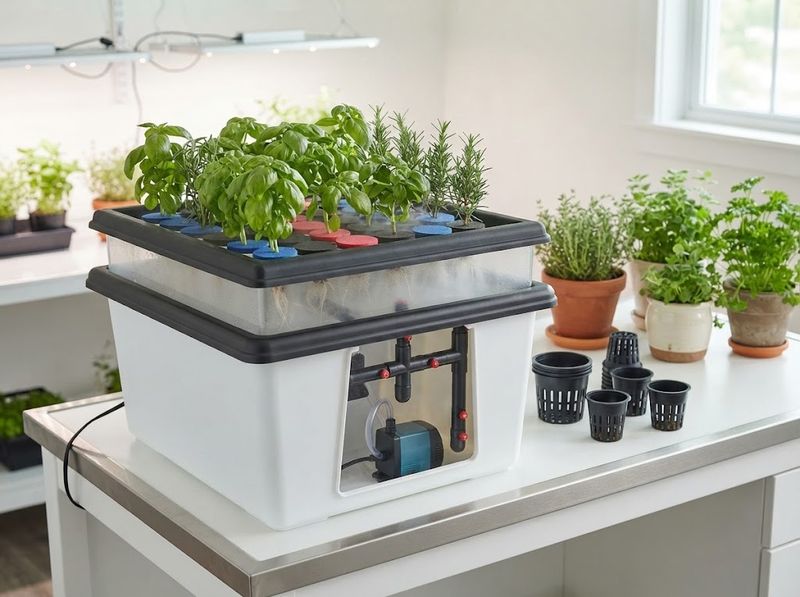
Clone King propagation bench with rooted cuttings ready for transplant

How a Clone King Cloner Roots a Cutting Without Soil

Seat, fill, mist, check: the whole run from unboxing to a working system takes under 30 minutes.

  1. 1

    Seat the Cuttings

    Push each stem through a neoprene collar until the cut end hangs below the lid.

  2. 2

    Fill and Run the Reservoir

    Add plain water, drop the submersible pump in, and switch it on at 317 GPH.

  3. 3

    Mist the Bare Stems

    Thirteen spray heads soak every stem base continuously: no gel, no dome, no timer needed.

  4. 4

    Check at Day Three

    Lift one collar on day three and look for white bumps at the cut.

Day 1 to Year One on the Same Reservoir

A Clone King tub goes from taped box to visible root bumps in 3-5 days, then a mister swap near month 12.

  1. Day 1

    Day 1, after work: cut the tape, drop the pump in the tub, and thread twelve mint stems through the collars before dinner. Fill with plain tap water, plug in, done inside 30 minutes. Your 30-day return window starts the moment the box lands, so a wrong-size call costs you nothing.

  2. Week 1

    Week 1: lift a collar on day three and check the cut for white bumps. Change the water at the end of the week, wipe the manifold, and add hydrogen peroxide twice weekly from here on.

  3. Month 1

    Month 1: most soft-stem cuttings hit transplant-ready roots by day 10-14, and the tub is free for a second batch before the month ends. Two rounds of tomatoes off one machine is an ordinary month.

  4. Year 1+

    Year 1 onward: mineral scale narrows a spray head somewhere around the first year. Pull it, press in a fresh one from the 15-pack, and the same head fits whichever site count you own.

Ready for Day 1? Compare the 25 and 36-site tubs before you cut anything.

Who Ends Up Keeping One

The growers a Clone King tub actually fits, and the one propagation job it handles badly.

The Grower Tired of Justifying a Premium Cloner

You priced a premium branded unit, then priced the parts to build your own, and neither felt right. This tub ships as one piece: reservoir, lid, manifold, pump, and collars, standing over the sink and misting 30 minutes after you cut the tape. The 36-site machine roots a full herb bench with 1,864 buyers already on record behind it.

The One Who Finally Ditched the Humidity Dome

You lifted the dome on three trays of basil last spring and found wilt, then grey fuzz on the fourth. Bare stems in moving air remove the sweat-and-mold cycle entirely. Lift a collar at day three and white bumps already sit at the cut, where the dome tray needed three weeks.

The Teacher Propagating Specimens for a Full Classroom

A biology department rooted Coast Redwood, Ficus benjamina, Kava Kava, and tomato cuttings through one 25-site machine for student work. Twenty-five sites cover a class set with room for the failures. Coffee and strawberry guava were the holdouts, still bare after the other trays went to soil.

The Second-Time Buyer Sizing Up From 25 to 64 Sites

Your entry tub filled in one afternoon and you started staging cuttings on the counter. The 64-site machine runs a 496 GPH pump and twenty-five spray heads in an 18 x 16 x 18 tub. Same method, more room: the spare misters already in your drawer press into the new lid without a trip to the store.

When to buy something else

  • Not the right fit if you're propagating exclusively woody or fibrous-stem cuttings: seat a hardwood rose or shrub stem thicker than a pencil and you can watch it sit three weeks without a root while basil beside it transplants at day 12.
  • Skip this if you need a manufacturer-backed warranty in writing, because coverage runs through the standard 30-day retailer return window rather than a documented product warranty.

Why the Design Never Changed

The principles behind a reservoir-and-manifold design that Clone King has not redrawn since January 2013.

01

Mechanism Over Hype

Thirteen spray heads run against bare stem bases every minute the pump stays plugged in, and nothing in the tub dries between cycles. The part the category copy skips: you set the reservoir temperature yourself, and a tub left to drift past 75°F loses the batch a cool one saves.

02

Plant-Agnostic by Design

Seat a pencil-thick tomato stem or a mint tip in the same collar and the manifold treats both the same. Soft-stem cuttings crack roots first; hardwood rose stock can sit in that tub for weeks.

03

Aeroponic Rooting Without the Premium Tier

Fill a spare-room bench with cuttings from an entry tub and the mist hits those stems overnight exactly as it does inside a premium branded cloner. From entry tier to flagship the rooting method is identical; step up and you change site count and pump flow, 317 GPH to 496 GPH.

04

A Design With a Paper Trail

The same reservoir-and-manifold layout has been on record since January 2013. Thirteen years of buyers logged 4.5 stars across 2,821 verified reviews on it, which is more history than most cloning machines can show.

What Actually Goes Wrong, and Why

The failure modes Clone King owners hit most, plus the habit or spec number that prevents each.

Cuttings callus but never crack a root

Stop blaming the cuttings and check the water first. A callus that sits for two weeks without a root usually means the reservoir ran warm or the pH drifted outside the 5.5-6.3 band most growers target. Drop the tub to 66°F and the same stems that stalled push roots inside a week.

Stem rot turns cuttings to mush by week two

A tub sitting at 78°F through a summer afternoon rots more cuttings than any bad cut does. The reservoir sheds dissolved oxygen above 75°F, bacteria move into the cut end, and by day ten the stem is soft brown pulp. Hydrogen peroxide twice a week plus a cool, stable reservoir keeps the tub hostile to rot.

A clogged mister starves half the tray mid-cycle

Yank the lid off at day four and watch the manifold run for ten seconds. One head throwing a thin dribble instead of a 280-degree cone means mineral scale, not a dead pump. A fresh head from the 15-pack presses in without tools and fits every site count.

One grower's whole tray roots, another's rots

The 4.5-star average across 2,821 verified reviews hides a genuine split in outcomes. The variance tracks reservoir temperature, cut quality, and whether you change the water weekly, not a defect in the tub or the pump. Growers who read the water temp at 4 p.m. and change it weekly are the ones posting consistent runs.

4.5★ across 2,821 verified reviews

Guessing the wrong site count means a return hassle

Twenty-five sites disappear fast when you take a whole herb bed's worth of cuttings in one session. Stepping up to 36 or 64 sites costs you one lid swap. A 30-day return window through the retailer covers a size swap, not only a defect.

A 30-day return window through the retailer covers a size swap, so pick a tier and compare the specs.

Water temperature, site counts, and what jams a mister

Straight answers on rooting times, reservoir care and which tier fits the bench you have.

How does an aeroponic cloner work?

A submersible pump pushes plain water up a spray manifold that mists the exposed stem bases of cuttings suspended in open air above the reservoir. Constant moisture plus oxygen at the cut triggers root initiation, which is the same wound response a soil plug produces far more slowly. Friction from the spray and the runoff keeps the cut end from sealing over. On Clone King machines, most soft-stem varieties show white root bumps in 3-5 days and reach transplant size around day 10-14, with woody stock running two to three weeks behind that.

What is aeroponic cloning, and how is it different from rooting in soil?

Aeroponic cloning uses an aeroponic propagation system for cuttings that suspends the stem in air and mists the cut end continuously, instead of burying it in a medium. Soil holds water against the stem and starves it of oxygen, which is why soil rooting runs slower and hides rot until the cutting collapses. Open air lets you inspect the stem base daily.

Who is this kind of machine actually for?

Home propagators multiplying herbs, tomatoes, ornamentals, and houseplants, plus teachers and small nurseries running class sets or trial batches. A grower taking a handful of cuttings a season does fine with a jar of water on the sill. The machine earns its place once you are cutting twenty or more stems at a time on a schedule.

Do I need prior hydroponics experience to run one?

Assembly takes no prior setup experience. The kit ships as one unit, with reservoir, lid, spray manifold, submersible pump, and collar inserts, plus step-by-step instructions, and it runs under 30 minutes from box to working system. The learning curve is water management rather than hardware: hold the reservoir near 66°F and change the water weekly.

What comes in the box?

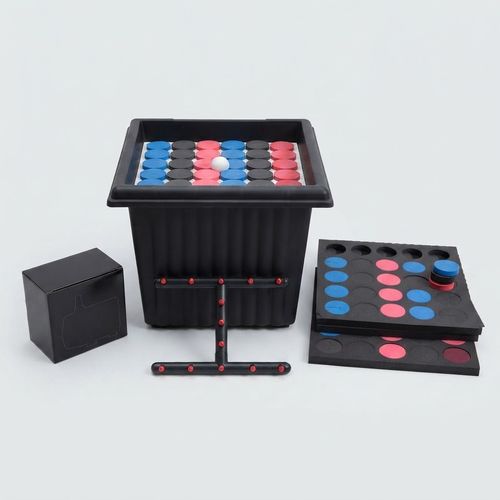
A Clone King aeroponic cloning kit ships with one sealed reservoir, a lid drilled for the site count you chose, a spray manifold with misters installed, a submersible pump, neoprene collar inserts, and printed instructions. You add water and a light. No rooting gel, no humidity dome, and no separate timer are needed to run the standard method.

Which plants root best in an aeroponic cloner?

Soft-stem varieties root fastest: mint, basil, oregano, tomatoes, peppers, coleus, and most soft houseplants. A biology department rooted Coast Redwood, Ficus benjamina, Kava Kava, and tomato cuttings on one 25-site machine, while coffee, strawberry guava, and hibiscus resisted. Woody and fibrous stock is the weak spot across the whole category, not just this brand.

What makes Clone King different from a generic aeroponic cloner?

Published specs and a track record. Pump flow is printed at 317 GPH on the 25- and 36-site machines and 496 GPH on the flagship, spray-head count is stated per tier, and the collar opening is printed rather than left vague. The design has been on the sales record since January 2013, which most rival cloners cannot claim.

How long does it take for clones to root?

White root bumps appear at the cut end in 3-5 days for most soft-stem varieties, and roots reach transplant length around day 10-14. Woody or fibrous cuttings run two to three weeks when they root at all. Look for roots an inch or two long before moving anything into medium, rather than transplanting on the calendar.

What is the best water temperature for a cloning machine?

Most guides target 65 to 72°F, and long-term owners of this machine settle specifically on 66°F. Above 75°F the reservoir sheds dissolved oxygen and bacteria colonize the cut end, which is the single most common cause of stem rot. Below 65°F root initiation slows without improving hygiene, so cooler is not automatically safer.

Is there a warranty if the pump fails after a few months?

No manufacturer warranty term is published for these machines, and inventing one would be dishonest. Coverage in practice runs through the standard 30-day retailer return window, which covers defects and size swaps alike. Past that window, spray heads and collar inserts are separately available as replacement parts rather than whole-unit returns, and the misters fit every tier rather than one model. A pump that fails outside the window is a parts problem rather than a machine problem, which is why growers keep a spare 15-pack on the shelf.

What size cloning machine do I need?

Match site count to how many cuttings you take in one session, not to the size of your whole garden. Home growers running herbs and a few tomato varieties land comfortably at 25 or 36 sites, and the 36-site tub is where most first purchases end up. Sixty-four sites suits a propagation bench feeding a nursery bed, a classroom, or a plant-swap group cycling batches every fortnight. Buying one tier larger than today's batch costs a slightly wider footprint and saves a second purchase later, and the 30-day return window covers a wrong call either way.

Is aeroponic cloning better than hydroponic (DWC) cloning?

Aeroponic misting roots faster in most side-by-side reports, because the stem base gets oxygen and moisture at once instead of sitting in standing water. DWC and bubble buckets have fewer failure points: no nozzles to clog, no manifold to clean. Aeroponic wins on speed, DWC on simplicity, and warm water hurts both equally.